Niall's glorious garden

Niall's glorious garden

© Niall Reynolds

We hear from member, Niall, who is letting his garden grow wild and has been rewarded with an array of wildife.

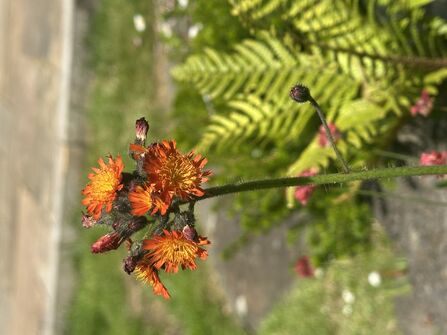
We know that our members are constantly working to protect wildlife on their doorstep. This Spring we hear from member, Niall who has divided his garden into segments to create a mosaic of habitats for local wildlife. Niall has let his garden grow wild, starting off by planting some native hedging and wildflowers. He now only cuts the garden twice a year, helping with seed dispersal by collecting seeds and spreading them throughout his garden.

 "In reality, it self-seeds itself and I don't have to do much!"- Niall


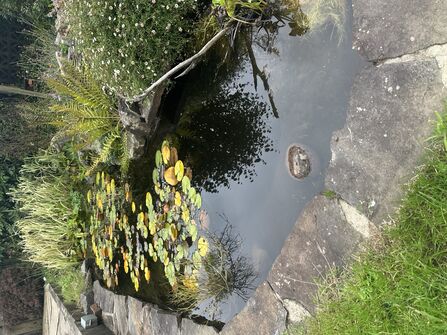
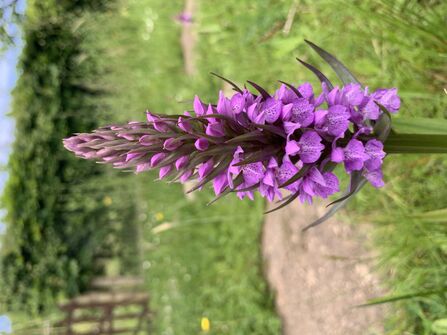
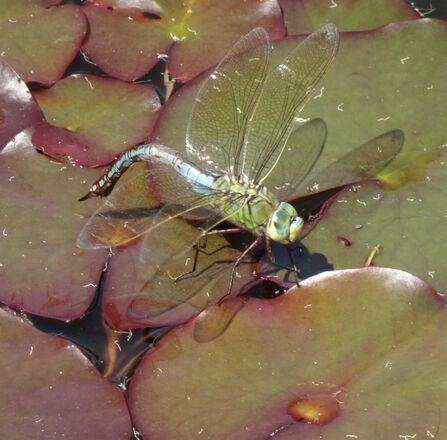
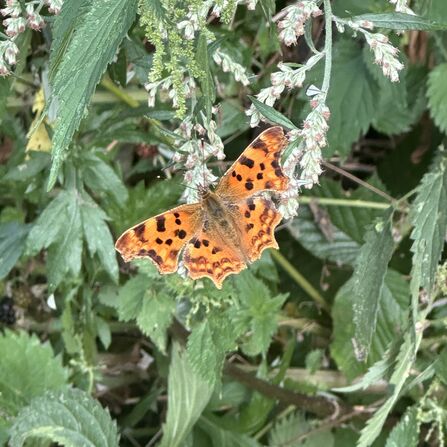
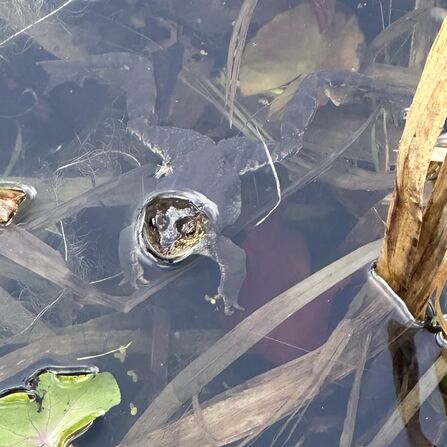
Having previously needing to frequently cut, weed and feed the grass the garden now needs less regular management. The only regular management is to remove willow and birch saplings before they get established. Niall has several tree species adding to the layers of his garden which is important for diverse habitats. The garden boasts a beautiful display of orchids starting at 10 flowering in the first year now reaching over 100 in number! The garden also features an active pond with frogs, dragonflies and newts living in it's watery depths. 

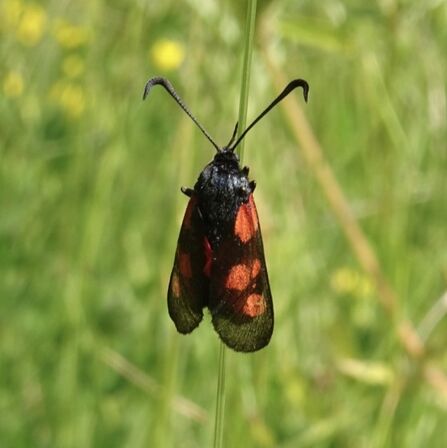
The garden has drawn a host of insect species, currently at 60 species and counting! In the UK alone we have more than 27,000 insect species; grasshoppers, bees, silverfish, caddisflies, beetles, dragonflies, mayflies, moths and more. Insects play a key role in our environment, with a third of our food crops pollinated by insects and many animals relying on insects as a source of food they must be protected. 

To reverse the decline of insects and allow them to thrive once more, The Wildlife Trusts want to see at least 30% of land and seas properly connected, better protected and suitably managed for nature. To achieve this, it requires us all to become insect champions, taking action at home and work, in our communities and schools. With members like Niall taking action we hope to see declines reversing declines. 

You can take further action for nature by logging your sightings! Last September Niall had a very exciting visitor to his garden. The Wasp Spider is a great mimic - looking just like a common wasp keeps it safe from predators, even though it is not dangerous itself. This was logged on the LERC and the British Arachnological society system. The LERC app enables members of the public to get involved with biological recoding, contributing to national data sets and supporting conservation. 

Wasp Spider sitting in it's web

© Niall Reynolds

Niall's garden is a perfect example of what you can do for nature on your doorstep.

I am thrilled by the life that thrives in the garden". - Niall Reynolds

By letting your lawn grow and planting native species you can do wonders for the amazing amphibians and incredible insects that are just waiting for a home near you. If you are taking action for wildlife in any shape or form then add yourself to our Team Wilder Actions Map today or get in touch with our Wilder Engagement Officer, Marianne at m.evans@welshwildlife.org. For more information on what actions you can take small or large head to our Take Action for Nature webpage for some inspiration. 

Lawn full of white and yellow wildflowers

© Niall Reynolds

2024 PPL Logo

Team Wilder work made possible thanks funding from People's Postcode Lottery.