
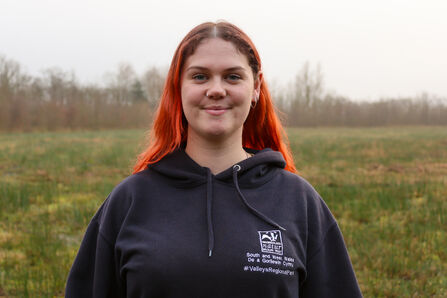
Mae ein Swyddog Allgymorth ac Ymgysylltu ar gyfer Canolfan Natur Cymru, Cedwyn, yn gweithio ar brosiect Treftadaeth y Loteri a Chronfa Gymunedol y Loteri. Nod y prosiect hwn yw ymgysylltu â chynulleidfaoedd newydd a gwella hygyrchedd a chynhwysiant yng Nghanolfan Natur Cymru. Ei hoff rywogaeth Cymraeg yw Huganod. Yn enwog am eu harddangosfeydd plymio godidog, mae Huganod hefyd yn cymryd rhan mewn arddangosfeydd carwriaeth diddorol fel tapio pigau a hefyd paru am oes.
Caru Creaduriaid Cymru

WildNet - Amy Lewis
Dydd Santes Dwynwen yma rhannodd staff ei hoff greaduriaid Cymraeg a pam maen nhw mor bwysig iddyn nhw.

Peter Cairns/Northshots
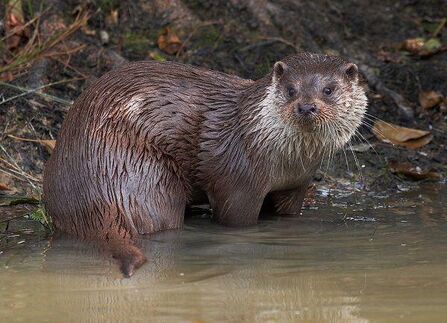
Dewisodd ein Rheolwr Cyfathrebu a Marchnata, Grace, Ddyfrgwn fel ei hoff rhywogaeth Cymreig. Mae eu natur chwareus a'u galluoedd nofio rhagorol yn eu gwneud yn hudolus i'w gwylio. Profodd dyfrgwn ostyngiadau dramatig yng nghanol y 19eg ganrif ond ers hynny maent wedi gwneud adfywiad llwyddiannus. Maent bellach yn bresennol mewn 90% o afonydd Cymru a fonitrir. Dysgwch am ymgyrch llygredd afonydd Fforwm Ieuenctid Caerdydd, Achub ein Taff, sy'n gweithio i sicrhau dyfodol iachus i afonydd Cymru.
Rhannodd Doug, Swyddog Gwarchodfeydd Ceredigion, ei gariad am flodyn diddorol a geir mewn gwlyptiroedd a rhostiroedd. Mae'r planhigyn cigysol hwn yn ysgarthu hylif gludiog sy'n temtio pryfed diarwybod i lanio ar ei ddail a dod yn ysglyfaeth iddo. Nid yw'r corsydd asidig, y ffeniau a'r rhostiroedd llaith lle mae Tafod y Gors yn byw yn darparu digon o faetholion iddo, felly mae wedi esblygu'r ffordd o fyw gigysol hon i ategu ei ddeiet. Mae ganddo flodau porffor sy'n ymddangos o fis Mai i fis Gorffennaf.

© Philip Precey
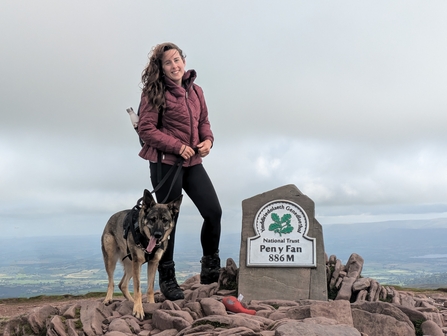
Dywed Sarah, ein Swyddog Ymgysylltu Gwyllt ar gyfer Aberhonddu:
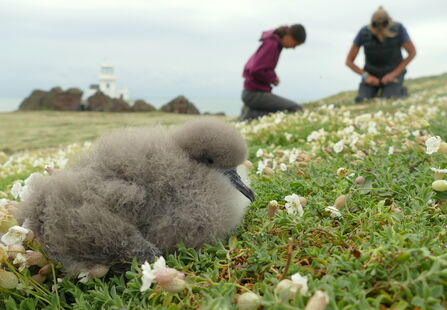
"Byddai'n rhaid i mi fynd gyda'r Aderyn Drycin Manaw. Maen nhw'n eithaf rhamantus gan eu bod nhw'n treulio eu mudo ar wahân ond yn dod yn ôl i'r un twll a phartner bob tymor bridio." - Sarah
Mae ein gwarchodfa Ynys Sgomer yn gartref i hanner poblogaeth y byd o Adar Drycin Manaw. Bob gwanwyn mae 700,000 o'r adar môr hyn yn dychwelyd i'r ynys, gan deithio 7000 milltir anferth o Dde America, i fridio a magu eu cywion.
Skokholm Wardens
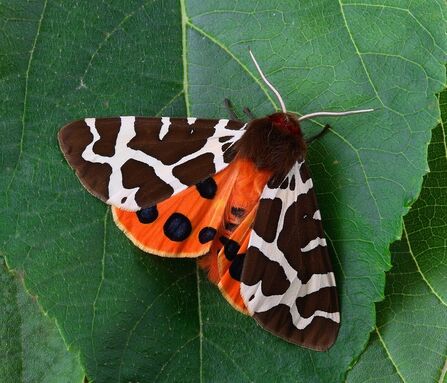
I mi fy hun, byddwn i'n dewis y gwyfyn Teigr yr ardd. Mae pryfed bob amser yn cael eu tanbrisio ac mae gan y gwyfyn penodol hwn batrwm adenydd hardd gyda siapiau beiddgar ac isadain liwgar. Mae'r rhywogaeth hon yn dioddef o 'dacluso' ein gerddi ac mae'n dirywio. I ddarganfod beth allwch chi ei wneud i helpu pili pala a gwyfynod yn eich gardd, darllenwch fwy yma.
Grace Hunt
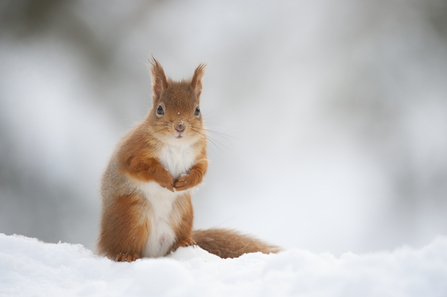
Rhannodd ein Rheolwr Adfer Natur, Ceri, ei gwerthfawrogiad o Wiwerod Coch. Mae Gwiwerod Coch wedi dioddef dirywiad sylweddol yn ystod y 100 mlynedd diwethaf, wedi'i yrru gan gystadleuaeth a chlefydau gan Wiwerod Llwyd nad ydynt yn frodorol, yn ogystal â cholli cynefin. Fe'u dosbarthir fel Mewn Perygl yng Nghymru, sy'n golygu eu bod mewn perygl o ddiflannu. Yn ddiweddar, fe wnaethom lansio ymgyrch mewn ymateb i ddatblygiad parc ynni arfaethedig sy'n bygwth gwthio un o boblogaethau olaf Gwiwerod Coch yng Nghymru i ddiflannu. I gyfrannu at ein hapêl Gwiwerod coch, dysgwch fwy yma.
Mark Hamblin/2020VISION
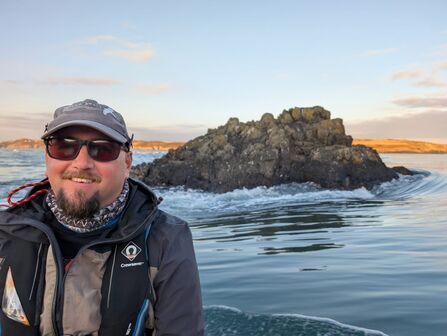
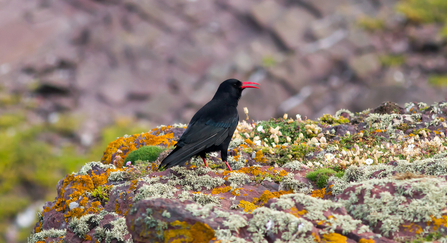
Ein rhywogaeth olaf yn yr erthygl yw'r Frân Goesgoch annwyl. Mae Shaun, Swyddog Gwarchodfeydd Abertawe, Castell-nedd a Phort Talbot, yn rhannu ei gariad at y Corvid coesgoch hwn. Mae'r Frân goesgoch yn byw ar laswelltir byr, wedi'i bori a rhostir arfordirol lle mae'n chwilota'r ddaear gyda'i big hir, coch am bryfed, fel Siacedi lledr a larfa chwilod. Yn acrobatig wrth hedfan, mae ganddo alwad 'chie-ow' sy'n debyg i, ond yn uwch na, galwad y Jacdo. Mae Cymru'n gartref i 75% o boblogaeth bridio Frân Goesgoch y DU gan ei gwneud yn gadarnle i'r adar hardd hyn.
WildNet - Mike Snelle
Grace Hunt